by Isa Arroyo
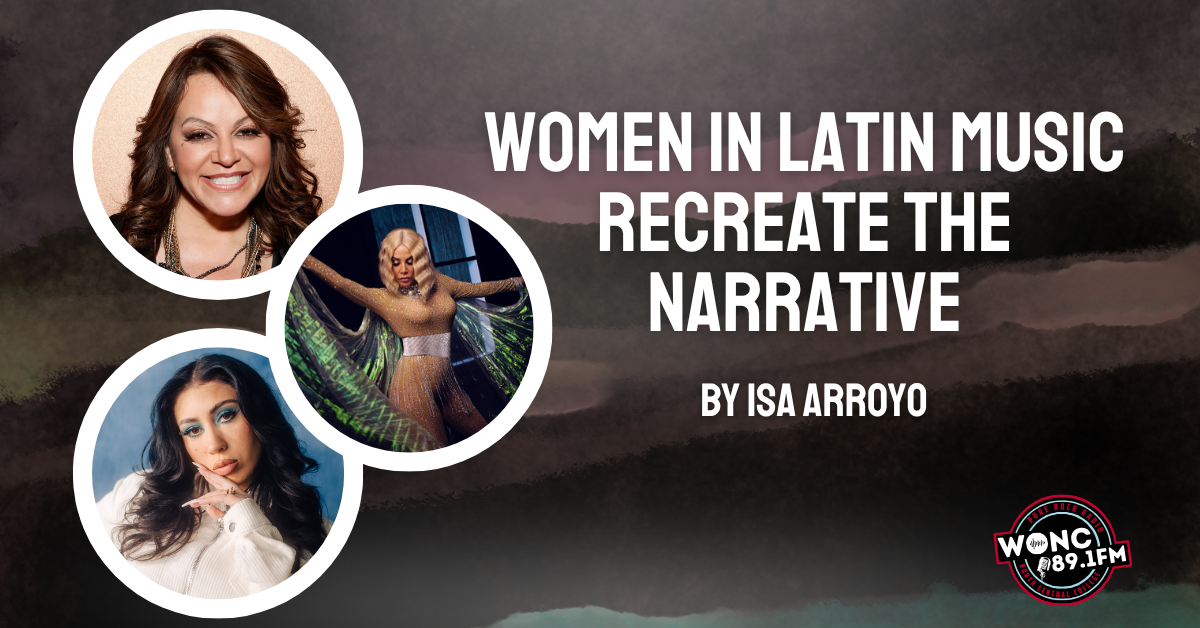
Latin Spanish music has always been known for its passion, storytelling, and deep cultural roots, but one of its most powerful driving forces has been women. While the industry hasn’t always made space for them, female artists have continuously stepped forward to reshape the sound, message, and identity of Latin music. Artists like Ivy Queen, Kali Uchis, and Jenni Rivera show how women across different generations and genres have used music not just as entertainment, but as a platform for empowerment, identity, and storytelling.
For a long time, male voices dominated Latin music in genres like reggaetón and regional Mexican. Women expected to fit into softer and more traditional roles, but Ivy Queen changed the narrative completely. Entering the reggaetón scene in the 1990s, she refused to be subordinate in the same way women often were in the genre. Instead, she created a bold, commanding presence that demanded respect. Ivy Queen’s lyrics focused on women’s experiences, calling out double standards and celebrating independence. Songs like “Yo Quiero Bailar” weren’t just club hits, but statements about consent and autonomy. In a space where women were often portrayed as background figures, Ivy Queen stepped forward as a leader, earning the title “La Caballota” or in English as “Mare” as a strong and confident woman. Her success opened the door for future women in urban Latin music to feel like they belonged in the genre such as Becky G and Young Miko.
While Ivy Queen’s impact was rooted in strength and resistance, Jenni Rivera’s influence came through raw honesty and emotional storytelling. Rivera dominated regional Mexican music genres that traditionally centered male perspectives. Rivera stood out as she sang about real-life struggles: heartbreak, single motherhood, body image, and surviving toxic relationships that the media shadowed because of the large male narrative. She didn’t present herself as perfect or polished; instead, she was relatable. Her music gave voice to working-class Latina women who rarely saw their realities reflected in mainstream media. She showed that vulnerability could be powerful, and that telling your truth could connect deeply with audiences.
As music continues to evolve, Colombian American artist Kali Uchis is the embodiment of modern Latin music and identity. She blends genres like R&B, pop, reggaetón, and soul while seamlessly moving between English and Spanish. Her music reflects the experiences of a bicultural generation that doesn’t feel limited to one sound or identity. Kali Uchis brings a dreamy, introspective style that contrasts with the louder, more traditional expectations of Latin female performers. Through her visuals, lyrics, and creative control, she emphasizes self-worth, individuality, and emotional depth. She represents a shift toward artistic freedom where women aren’t isolated to a specific image, and can experiment and evolve on their own terms to self-discovery.
Even though these three artists work in vastly different musical spaces, they share a common thread to challenge mainstream expectations. Ivy Queen disrupted reggaetón’s gender dynamics, Jenni Rivera redefined strength in regional Mexican music, and Kali Uchis reshaped what modern Latina artistry can look and sound like. Together, they represent the diversity within Latin music and the several ways women contribute to its growth. For various Latina artists, their work reminds listeners that Latin identity isn’t one-size-fits-all but consists of layers and constantly evolving.
Today, the influence of women in Latin music is more visible than ever, but it’s built on decades of persistence and courage. Artists like these didn’t just create hit songs; they created space. They challenged industries that doubted them and inspired future generations to step forward without apology. Women like Ivy Queen, Jenni Rivera, and Kali Uchis remind us that music can be a tool for empowerment, healing, and representation. Through their artistry, they prove that the evolution of Latin music is inseparable from the women who dared to change it.